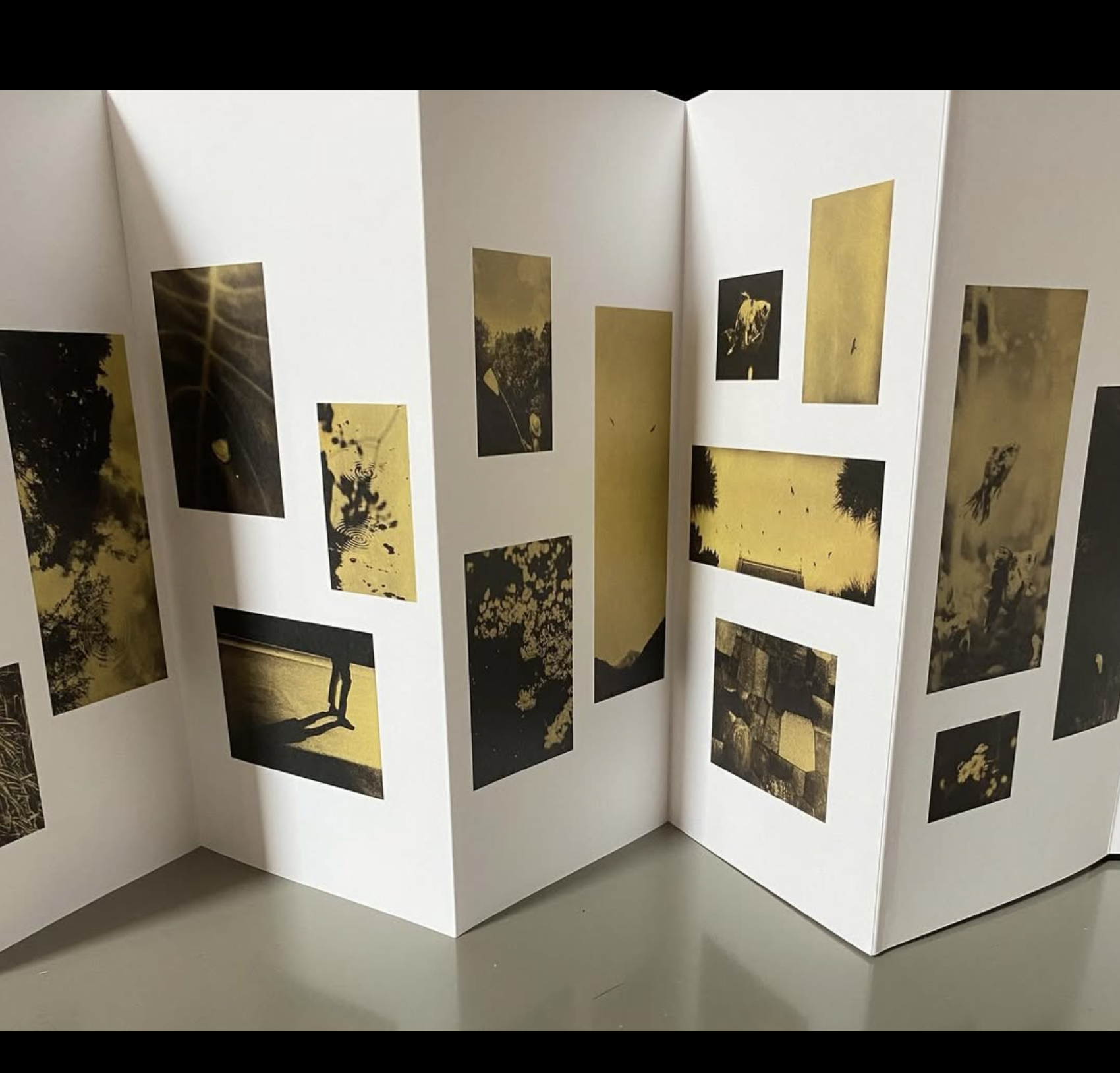
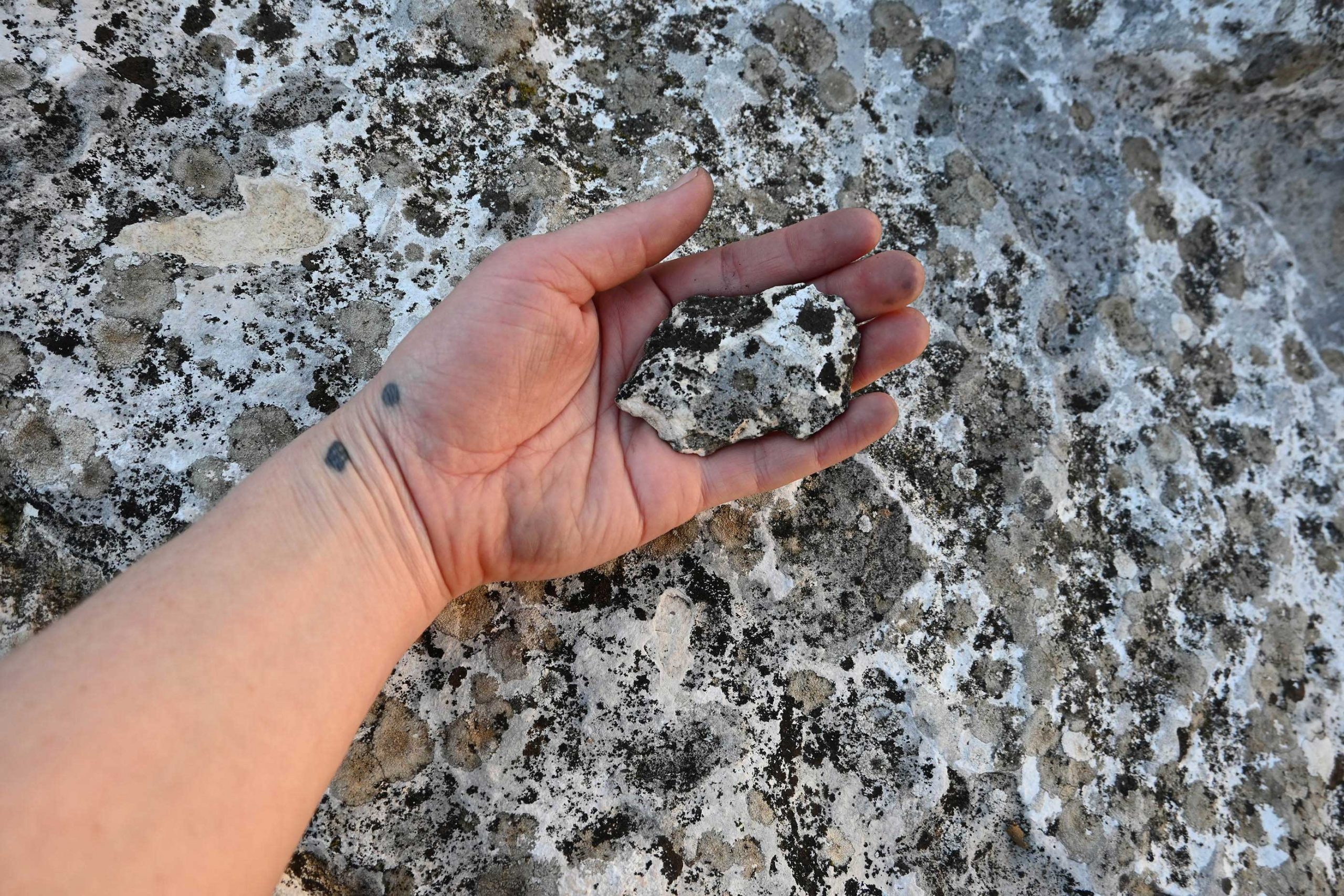
„Its not that what is past casts its light on what is present, or what is present its light on what is past; rather, image is that wherein what has been comes together in a flash with the now to form a constallation. In other words, image is dialectics at a standstill. For while the relation of the present to the past is a purely temporal, continuous one, the relation of what-has-been to the now is a dialectical: is not progression but image, suddenly emergent.—Only dialectical images are genuine images (that is not archaic); and the place where one encounters them is language“ N2a,
„Its not that what is past casts its light on what is present, or what is present its light on what is past; rather, image is that wherein what has been comes together in a flash with the now to form a constallation. In other words, image is dialectics at a standstill. For while the relation of the present to the past is a purely temporal, continuous one, the relation of what-has-been to the now is a dialectical: is not progression but image, suddenly emergent.—Only dialectical images are genuine images (that is not archaic); and the place where one encounters them is language“ N2a,
„Its not that what is past casts its light on what is present, or what is present its light on what is past; rather, image is that wherein what has been comes together in a flash with the now to form a constallation. In other words, image is dialectics at a standstill. For while the relation of the present to the past is a purely temporal, continuous one, the relation of what-has-been to the now is a dialectical: is not progression but image, suddenly emergent.—Only dialectical images are genuine images (that is not archaic); and the place where one encounters them is language“ N2a,